01
Waterfront & Molo Longo
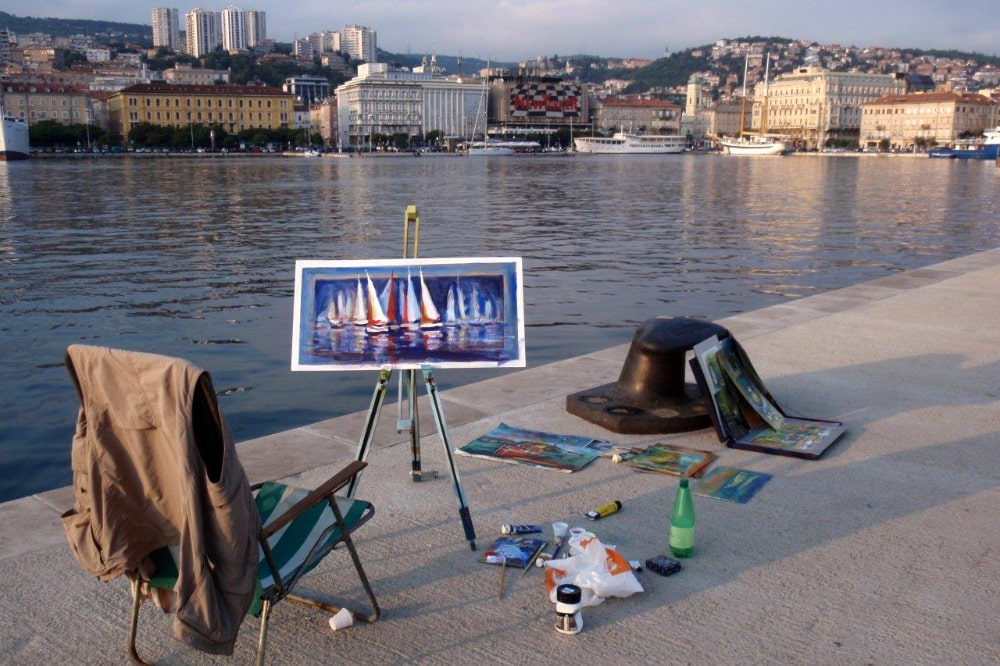
The harbour is Rijeka’s front room. Walk outward for the reverse view of the city, cranes, ferries, hills and the long history of a port that shaped everything around it.
The city makes more sense when you stop thinking in “top sights” and start reading the layers: waterfront, centre, Trsat, industrial culture, neighbourhood beaches and the green edge above Kvarner.
The harbour is Rijeka’s front room. Walk outward for the reverse view of the city, cranes, ferries, hills and the long history of a port that shaped everything around it.
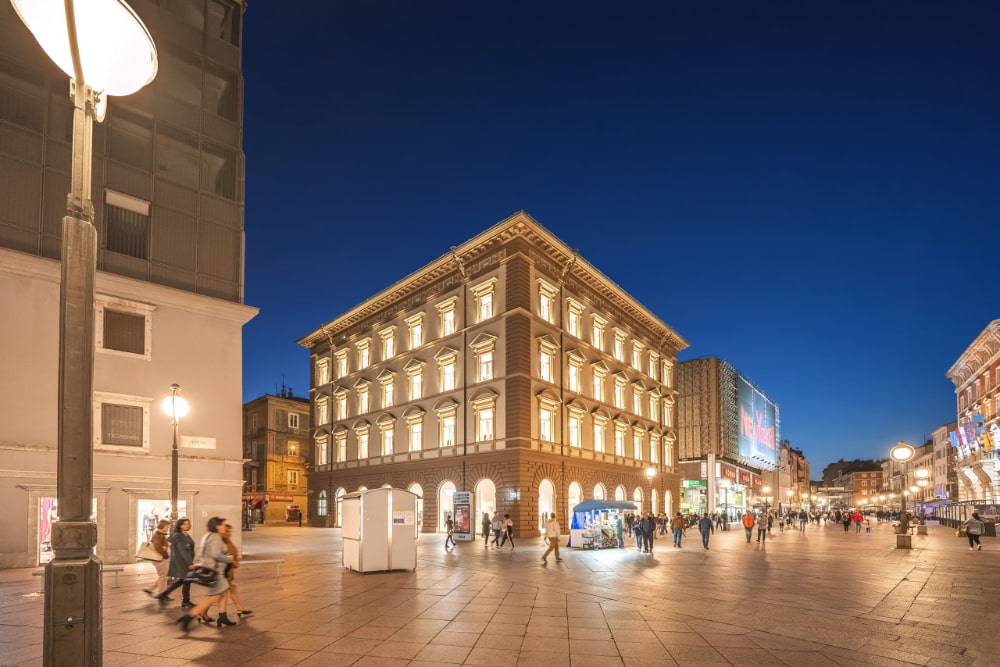
Rijeka’s central pedestrian axis is social infrastructure: cafés, façades, the City Tower and side streets that compress centuries into a few blocks.
Go up for context. The castle and sanctuary sit above the city and explain its geography in a single panorama.
Rijeka’s industrial past is not hidden; it is being re-read through museums, cultural institutions and adaptive reuse.
The market district gives the city flavour before any restaurant does. Start with ingredients, fish halls, seasonal produce and local routines.
Rijeka’s beaches are part of city life. A swim can sit naturally between a museum visit and dinner.